Products and configurations to compare
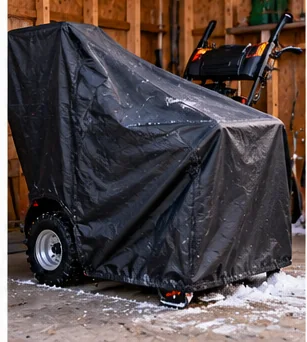
Model-specific snow blower cover
Best around controls and chute.
Best when: you know the machine dimensions
Watch for: model-specific fit can limit reuse
Universal vented snow blower cover
Look for vents and secure hem.
Best when: you want cross-brand fit
Watch for: measure handle/chute dimensions carefully
Garage floor drip mat
Keeps salt/slush off concrete and stored items.
Best when: machine parks indoors after storms
Watch for: mat still needs drying/cleaning
Dry before covering
A cover over wet snow can trap moisture.
Ventilation beats plastic-sheet wrapping
Condensation control matters.
Brush salt/slush away
Road salt is hard on fasteners and metal.
Fold handles only as designed
Do not pinch control cables.
Store service items nearby
Scraper bars, belts and shear pins should be easy to find before the next storm.
Winter equipment lasts longer when it dries before storage
Salt and deicer accelerate corrosion. Snow packed into auger housings and shovel seams becomes meltwater in the garage. Brush equipment off outdoors, let it drain and dry, and store batteries/fuel according to the manufacturer. Covers are useful against dust and drips, but wrapping wet equipment immediately can trap condensation.
A dedicated winter zone saves time during the first surprise storm. Keep shovels, traction cleats, ice melt and blower spares together rather than scattered across a basement and garage.
Consumables should be inventoried before the forecast
Ice melt, hand warmers, shear pins, scraper blades and batteries are cheapest and easiest to buy before a regional storm. Once the forecast turns serious, local shelves empty quickly.
Before checkout
- Tool matches typical snow depth and whether snow is wet or powdery
- Driveway/sidewalk surface is compatible with scraper or blade material
- Battery platform and cold-weather charging/storage are understood
- Replacement wear parts or shear pins are available
- Roof tools can be used safely from the ground
- Deicer chemistry is compatible with pavement, pets and landscaping
- Traction cleats fit the exact footwear securely
- Heated gear fits without reducing circulation
- Vehicle kit remains accessible under luggage
- Storage plan allows wet equipment to dry before covering
Buy before the forecast, not during it
Snow equipment is unusual because regional demand spikes at exactly the same moment. The week a major storm appears in the forecast is when shovel racks empty, ice melt gets rationed, replacement shear pins disappear and the most popular blower models sell out. Preseason buying is not only convenient; it lets you choose the right product instead of whatever remains on the shelf.
Use a short inventory at the start of autumn: primary clearing tool, manual backup, ice control, personal traction, vehicle visibility/emergency gear and one storage location. Replace worn scraper edges and dead batteries before they become storm-day failures.
Test the system once before snow
Start the blower or install its charged batteries, unfold the roof rake, fit the cleats over the boots you will actually wear, test the spreader gate and open the car emergency bin. Practice tire chains if your travel requires them. The first time to discover a missing pin, dead charger or wrong cleat size is not at 5 a.m. in a storm.
After each event, dry gear before storage and restock consumables. Winter readiness is less about owning the most equipment than making sure the small set you rely on is ready every time.
Frequently asked questions
Can I cover a wet blower?
Better to let it drain/dry first.
Outdoor storage okay?
Only if the machine and cover are intended for it; indoor dry storage is preferable.
Do covers cause rust?
Non-breathing covers over damp equipment can contribute to condensation.
Should batteries stay in the blower?
Follow battery-maker storage guidance.
Current product/source checks
Affiliate disclosure: SnowSupplies.co may earn from qualifying purchases through Amazon Associates and eBay Partner Network at no extra cost to you. Amazon links use scouttheory-20; eBay links use campaign 5339137014.