Products and configurations to compare
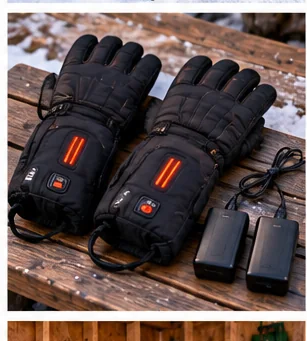
Milwaukee M12 heated winter gloves
Current line heats back of hand and fingers with three heat levels.
Best when: you already own M12 batteries
Watch for: bulk and battery charging
HotHands hand warmers
Current official claim: up to 10 hours.
Best when: you want zero-maintenance backup
Watch for: single-use waste and no heat control
Rechargeable pocket hand warmer
Useful in pockets between shovel passes.
Best when: you want reusable warmth without heated gloves
Watch for: must stay charged
Gloves heat where you need dexterity
But batteries and wires add bulk.
Warmers are shelf-stable tools
Ideal for car and emergency kits.
Insulation still matters
Active heat leaks away in thin wet gloves.
High heat shortens battery runtime
Plan around actual work duration.
Dry gloves after work
Wet insulation loses performance quickly.
Active heat and chemical warmers solve different problems
Battery-heated gloves and socks provide controllable heat for repeated use, but they add charging, batteries and electronics. Air-activated warmers are cheap, lightweight and maintenance-free but single-use. For emergency kits, chemical warmers are hard to beat because they can sit unopened for long periods without a charged battery.
Heated gear should supplement insulation, not replace it. Windproof outer shells, dry socks and properly fitted gloves retain heat the battery or warmer creates. Tight boots or gloves can reduce circulation and make hands and feet feel colder despite active heat.
Runtime depends on heat level
Manufacturers typically quote longest runtime on low. High settings consume batteries much faster. Carry a spare battery only when the system is designed for easy safe swapping and keep charging equipment dry.
Before checkout
- Tool matches typical snow depth and whether snow is wet or powdery
- Driveway/sidewalk surface is compatible with scraper or blade material
- Battery platform and cold-weather charging/storage are understood
- Replacement wear parts or shear pins are available
- Roof tools can be used safely from the ground
- Deicer chemistry is compatible with pavement, pets and landscaping
- Traction cleats fit the exact footwear securely
- Heated gear fits without reducing circulation
- Vehicle kit remains accessible under luggage
- Storage plan allows wet equipment to dry before covering
Buy before the forecast, not during it
Snow equipment is unusual because regional demand spikes at exactly the same moment. The week a major storm appears in the forecast is when shovel racks empty, ice melt gets rationed, replacement shear pins disappear and the most popular blower models sell out. Preseason buying is not only convenient; it lets you choose the right product instead of whatever remains on the shelf.
Use a short inventory at the start of autumn: primary clearing tool, manual backup, ice control, personal traction, vehicle visibility/emergency gear and one storage location. Replace worn scraper edges and dead batteries before they become storm-day failures.
Test the system once before snow
Start the blower or install its charged batteries, unfold the roof rake, fit the cleats over the boots you will actually wear, test the spreader gate and open the car emergency bin. Practice tire chains if your travel requires them. The first time to discover a missing pin, dead charger or wrong cleat size is not at 5 a.m. in a storm.
After each event, dry gear before storage and restock consumables. Winter readiness is less about owning the most equipment than making sure the small set you rely on is ready every time.
Frequently asked questions
How long do HotHands last?
Current hand warmers are advertised for up to 10 hours.
How long do Milwaukee heated gloves run?
Current heated gear lists roughly 8h low, 4h medium, 2h high for the relevant glove line.
Which is better for emergencies?
Chemical warmers because no charged battery is required.
Can heated gloves get wet?
Follow the garment's water-resistance and care instructions.
Current product/source checks
- HotHands hand warmers — current official specs
- Milwaukee M12 heated gear — current official product line
Affiliate disclosure: SnowSupplies.co may earn from qualifying purchases through Amazon Associates and eBay Partner Network at no extra cost to you. Amazon links use scouttheory-20; eBay links use campaign 5339137014.