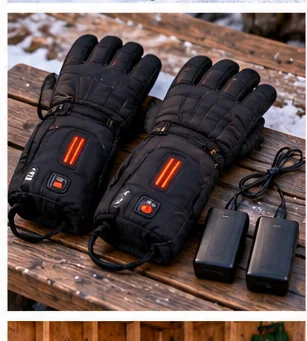
Mittens are usually warmer; insulated work gloves give you the grip and finger control to hold a shovel handle, scrape ice and handle a spreader scoop. For most people shoveling, a waterproof-shell insulated work glove with a good palm is the practical default, and a pair of mittens is the better choice for slow, stand-and-wait work or very cold, windy mornings. Whichever you pick, staying dry matters more than thickness.
Gloves or mittens: what you give up
A glove lets each finger move on its own, so you can feel the shovel handle, pull a zipper, hold a scoop and pick up a dropped glove liner. A mitten keeps the fingers together in one pocket, which usually holds heat better but makes small tasks clumsy.
Shoveling is a grip job with short bursts of effort. Your hands are working and, for most people, warming up, so a glove with moderate insulation tends to feel right. Standing at the end of the driveway, waiting for a vehicle or supervising a kid is the opposite: little heat is being generated, and mittens earn their place.
| Task | Better fit | Why |
|---|---|---|
| Steady shoveling or pushing | Insulated work gloves | Grip and control while hands stay warm from effort |
| Scraping ice, chipping, scooping salt | Insulated work gloves | Finger control and a palm that tolerates abrasion |
| Waiting, supervising, cold wind | Mittens | Fingers share heat; less area exposed |
| Clearing in very cold weather | Mittens over a thin liner glove | Warmth first, with fingers freed by pulling the mitten off |
Treat the table as a rule of thumb; circulation and effort change it.
Liner, insulation and shell
Think of a glove as three jobs. The liner sits against your skin and should wick moisture rather than hold it. The insulation traps warm air. The shell blocks wind and wet snow. A glove can combine these in one piece, or you can buy them separately, which gives you control: a thin liner under a work glove in cold weather, the glove alone on a mild day.
Look for plain-language descriptions: the shell material, whether it is waterproof or only water-resistant, and what the insulation is. Words like "arctic" tell you nothing. If a listing gives a temperature rating, treat it as the maker's claim and compare it with how you actually run; people who work hard feel warmer than people who stand still.
Keeping hands dry is the real job
Wet insulation stops working well, and wet hands lose heat quickly. There are two ways a glove gets wet: snow and slush soak in from outside, and sweat builds up inside. A waterproof shell fixes the first. A breathable lining and an occasional break fix the second.
Cotton work gloves are fine for a fall chore but soak up water and stay cold once wet, so they are a poor choice for a snowy day. If your hands sweat, a second dry pair in a jacket pocket is cheaper than a better glove. Swap when the first pair feels damp, and let it dry fully before reuse. The site's cold stress page and hand and finger protection page cover when numb or painful fingers mean it is time to stop and warm up.
Palm, grip and cuff
A shovel handle is slick when it is wet or iced, and a smooth leather or fabric palm slips. A textured or coated palm gives you more control and lets you hold the handle with less squeezing, which tires your forearms less. If you use a metal-bladed tool, check that the palm material survives scraping; some coated fabrics wear through quickly on rough handles.
The cuff matters as much as the palm. A long, snug cuff that goes over your jacket sleeve keeps snow out when you reach down. A short cuff under the sleeve stops snow from sliding down your wrist, but only if the jacket cuff is snug. Pick one and make sure the other layer matches. A wrist strap helps stop the glove coming off when you pull your hand free.
Fit checks before you buy
- Fingers reach the ends without being squeezed; tight gloves cut circulation and warmth
- A little air above the fingertips, since trapped air does the insulating
- Thumb moves freely when you grip a handle
- Cuff closes over or under your jacket without gaps
- Enough room for a thin liner if you plan to wear one
- Return terms that allow a trial inside the house
Try the pair holding an actual shovel handle if you can. A glove that feels fine on a table can bunch up around a handle.
Hybrids, spare pairs and heated options
Some products fall between the two: a mitten with a separate trigger finger, a glove-and-mitten convertible, or a mitten with a flip-back finger cover. They trade a little warmth for dexterity and are worth a look if you do a lot of mixed tasks.
If unheated gloves still leave your hands cold, a disposable or rechargeable warmer in the cuff is a simpler fix than a thicker glove; the site compares them in heated gloves vs hand warmers and disposable vs rechargeable warmers. For a gift, stocking stuffers for snow country and gifts for people who shovel snow both include hand gear. The short list of gear worth buying covers the rest of the kit.
A glove is not protection around a snow blower. Shut the machine off, wait for the auger to stop completely, and use a clearing tool rather than your hands in the chute.
Where to shop
These are category searches. Check the shell description, cuff style and palm material in each listing, and read the return terms.
Insulated waterproof work gloves
Gloves with a waterproof shell, insulation and a textured palm for general shoveling.
Best when: you shovel steadily and need grip and finger control
Watch for: check shell material, cuff length and sizing chart
Insulated winter mittens
Mittens with a water-resistant shell for waiting, supervising and very cold mornings.
Best when: you stand still or work in strong wind
Watch for: check for a wrist strap and whether a liner glove fits inside
Thin moisture-wicking glove liners
A thin base layer you can wear under gloves or mittens and pull on and off.
Best when: you want to adjust warmth without buying a thicker pair
Watch for: avoid cotton; check that your gloves still fit over the liner
Frequently asked questions
Are mittens warmer than gloves for shoveling?
Usually, because the fingers share heat. But mittens reduce grip and finger control, so many people prefer insulated gloves for active shoveling and keep mittens for waiting or very cold wind.
Do I need waterproof gloves to shovel snow?
A waterproof or water-resistant shell helps a lot, because wet insulation stops working well. Dry snow can be handled by a water-resistant glove, but slush and wet snow soak through weaker shells.
Should shoveling gloves fit tight?
No. Gloves that squeeze your fingers cut circulation and warmth. Leave a little air above the fingertips and make sure the thumb moves freely around a handle.
Are cotton work gloves good enough for snow?
Cotton soaks up water and stays cold once wet, so it is a poor choice for snow. Use it for dry fall chores and switch to a waterproof insulated glove.
Can I wear gloves near a snow blower chute?
Gloves are not a substitute for shutting the machine off. Stop the engine or motor, wait for the auger to stop, and use the clearing tool that came with the blower, not your hands.
Affiliate disclosure: SnowSupplies.co may earn from qualifying purchases through Amazon Associates and eBay Partner Network at no extra cost to you. Amazon links use scouttheory-20; eBay links use campaign 5339137014.